
Introduction
What Are Bathroom Vanities Made Of?
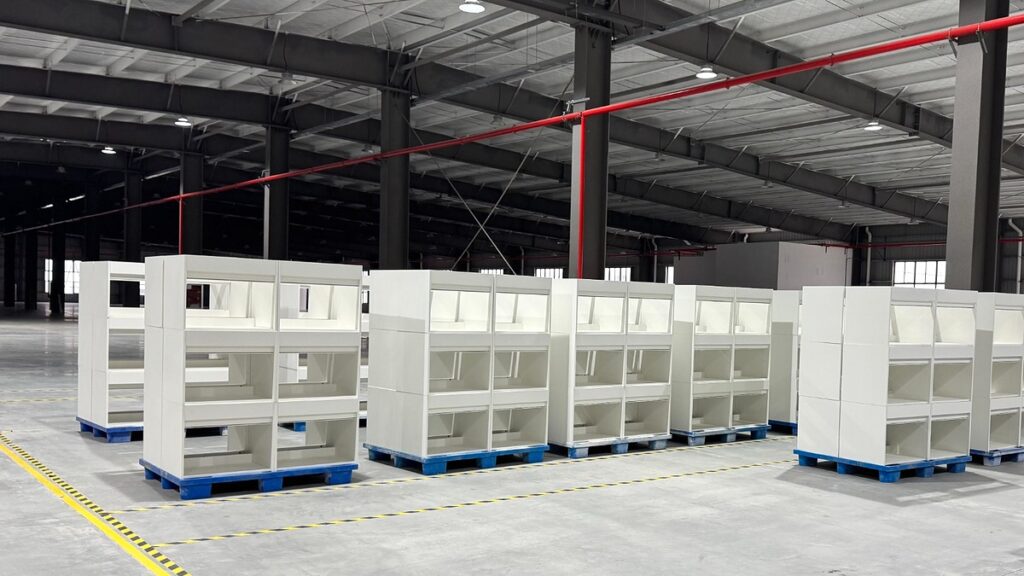
Bathroom vanities usually combine a cabinet carcass, doors or drawer fronts, a countertop and a basin. These components may use different materials.
Common cabinet materials include MDF, plywood, solid wood, particleboard and PVC boards. Melamine is typically a surface finish applied to a board substrate, such as particleboard or MDF, rather than a separate core material. Countertops and basins may use ceramic, quartz, sintered stone, cultured marble or other materials.
For wholesale orders, ask the supplier to specify the material used in each component. Confirm the cabinet core, door and drawer-front materials, board thickness, finish and edge sealing so that quotations and approved samples can be compared accurately.
Bathroom vanity materials play a critical role in product durability, moisture resistance, cost, and long-term performance. For wholesalers, retailers, hotel developers, and project buyers, choosing the right material is essential to ensure product quality and customer satisfaction.
In this guide, we will compare the most common bathroom vanity materials including MDF, plywood, solid wood, melamine, and PVC, helping you make the right decision for your market and project requirements.
1. MDF Bathroom Vanities: Is MDF Good for Bathroom Cabinets?
MDF can be suitable for bathroom cabinets when the correct board grade, finish and construction are used. Its smooth surface works well with painted finishes, making it an option for wholesale bathroom furniture collections.
Standard MDF can swell when exposed to water, especially around unsealed edges, drilled holes and plumbing cut-outs. Moisture-resistant MDF offers better resistance to humid conditions, but it is not waterproof. Proper sealing, ventilation and protection from standing water remain important.
For bulk orders, buyers should confirm the board grade, thickness, edge sealing and finish specifications with the manufacturer. Request a sample to inspect the cabinet construction before approving production.
CARB Phase 2 compliance concerns formaldehyde emissions; it does not indicate moisture resistance. Buyers should check emissions compliance and moisture performance separately.
Recommended use: Painted bathroom cabinet collections and cost-conscious projects where moisture exposure is controlled.
2. Plywood Bathroom Vanities: Is Plywood Good for Bathroom Cabinets?
Plywood can be a suitable material for bathroom cabinets, offering strength and good screw-holding performance. However, its resistance to moisture depends on the panel grade, adhesive, surface finish and edge protection. Plywood should not be assumed to be waterproof.
When comparing plywood and MDF bathroom vanities, assess the complete cabinet construction rather than the material name alone. Properly specified and sealed panels are important, especially around basin openings, plumbing cut-outs and joints.
For wholesale orders, confirm the plywood specification, panel thickness, finish and edge sealing. Request supporting test information where relevant, and inspect an approved sample before bulk production.
Recommended use: Bathroom cabinet collections and hotel or apartment projects where strength and secure hardware fixing are priorities.
3. Solid Wood Bathroom Vanities
Solid wood provides a natural, premium appearance with strong aesthetic value. It is commonly used in luxury bathroom projects.
However, it requires proper sealing and treatment to prevent moisture damage in humid environments.
👉 Recommended use: Luxury projects, high-end residential markets
4. Melamine Bathroom Vanities
Melamine boards are cost-effective and highly resistant to scratches and stains. They are available in a wide range of colors and finishes, including wood grain and matte surfaces.
They are commonly used in mass production and budget-friendly projects.
👉 Recommended use: Retail chains, budget housing, large-scale projects
5. PVC Bathroom Vanities
PVC material is highly water-resistant and suitable for humid environments. It is lightweight and easy to maintain, making it ideal for regions with high humidity.
👉 Recommended use: Coastal areas, budget hotels, rental apartments
6. How to Choose the Right Bathroom Vanity Material
Choosing the right material depends on your target market, budget, and project requirements.
- For durability: Plywood
- For cost efficiency: MDF or Melamine
- For luxury projects: Solid wood
- For humid environments: PVC
Understanding material differences helps buyers reduce risks and improve project performance.
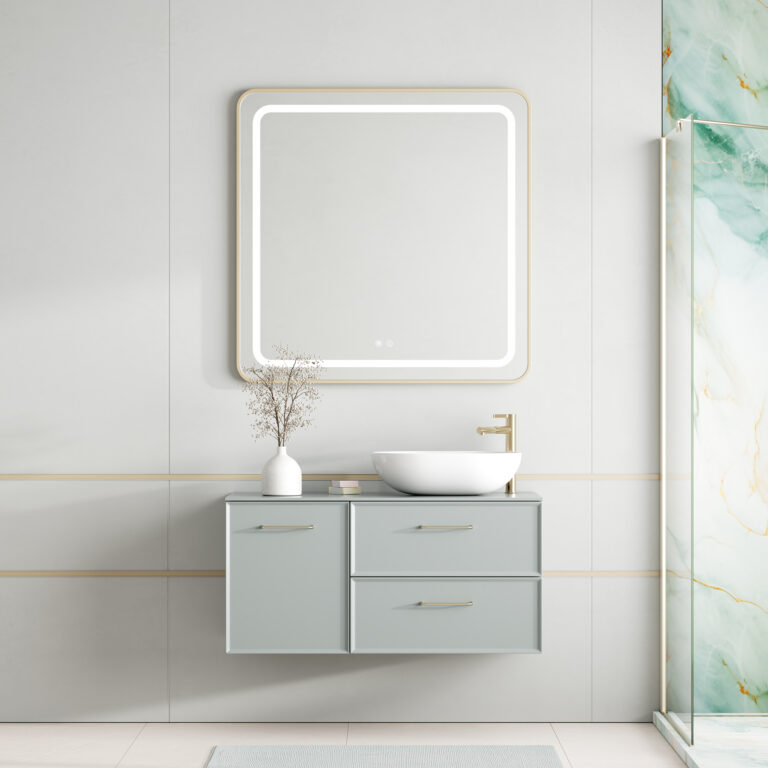
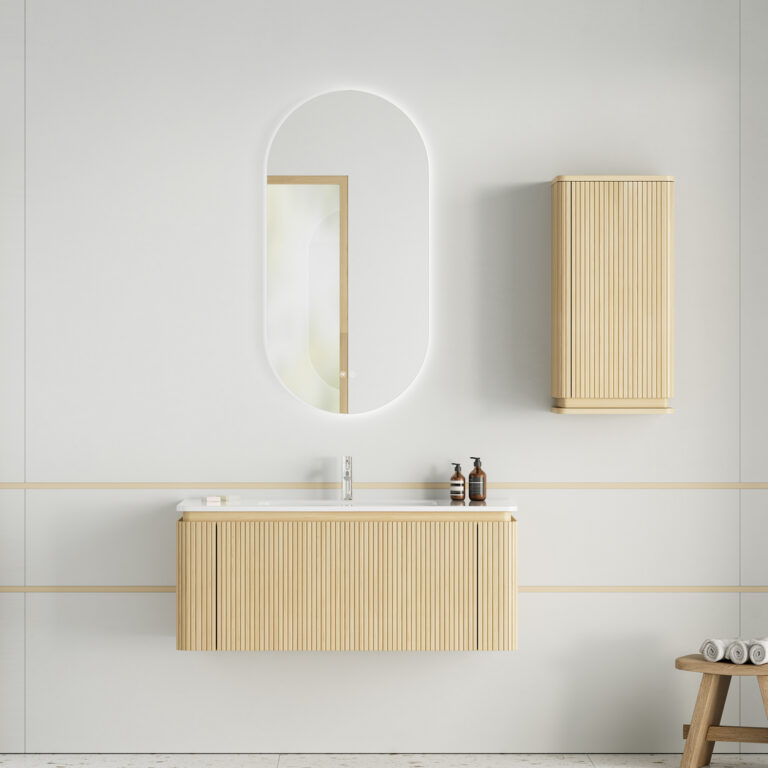
BV-C6032 Wall Mounted Vanity / BV-C6031 Freestanding Vanity / BV-C6081 Fluted Vanity
Conclusion
Bathroom vanity materials directly affect product performance, cost, and market suitability. Selecting the right material ensures better product quality and stronger competitiveness in your target market.
HOMEKEMP provides a full range of bathroom vanity materials and OEM/ODM customization services for customers across the Americas, Europe, and Australia.
👉 Contact us for material samples and project support.
Related Article:
How to Choose the Right Bathroom Vanity